



SAP HANA News by XLC

SAP HANA Monitoring Views Cheat Sheet

Please notice that when you want to run HANA 2.0 SPS07, you need defined OS levels. As you can see RHEL7 and SLES12 are not certified for SPS07. The SPS07 release of HANA is the basis for the S/4HANA release 2023 which is my recommended go-to release for the next years. Keep in mind that you have to go to SPS07 when you are running SPS06 because it will run out of maintenance end of 2023.
KVM as alternative with low TCO
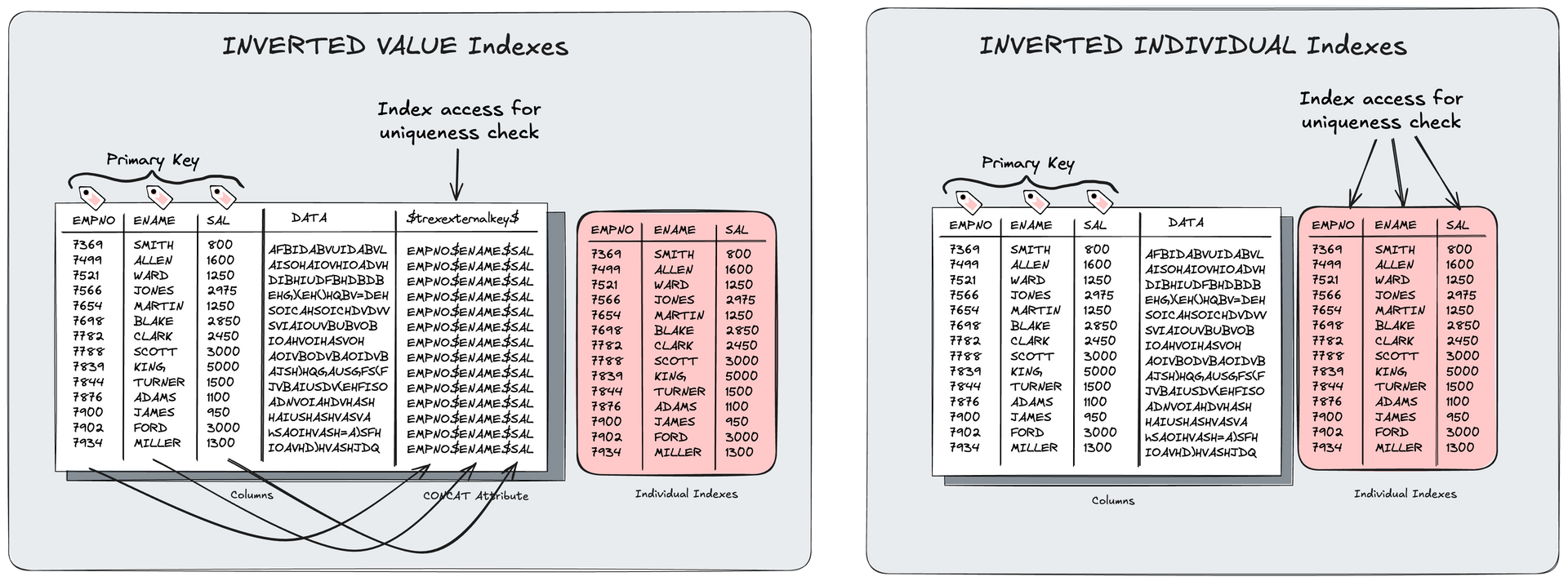
An inverted individual index is a special type of SAP HANA index which can only cover unique indexes. This includes all primary key structures. Unlike traditional column store indexes on more than one column (inverted value, inverted hash) an inverted individual index (Inv Idv Idx) doesn't need a dedicated concat.
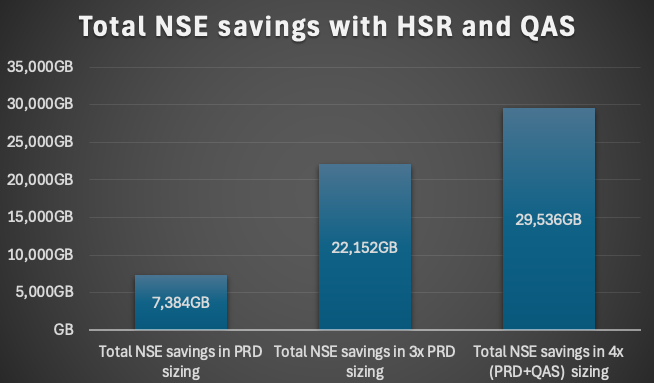
This blog presents the results of a customer case which can be used as a reference for other implementations
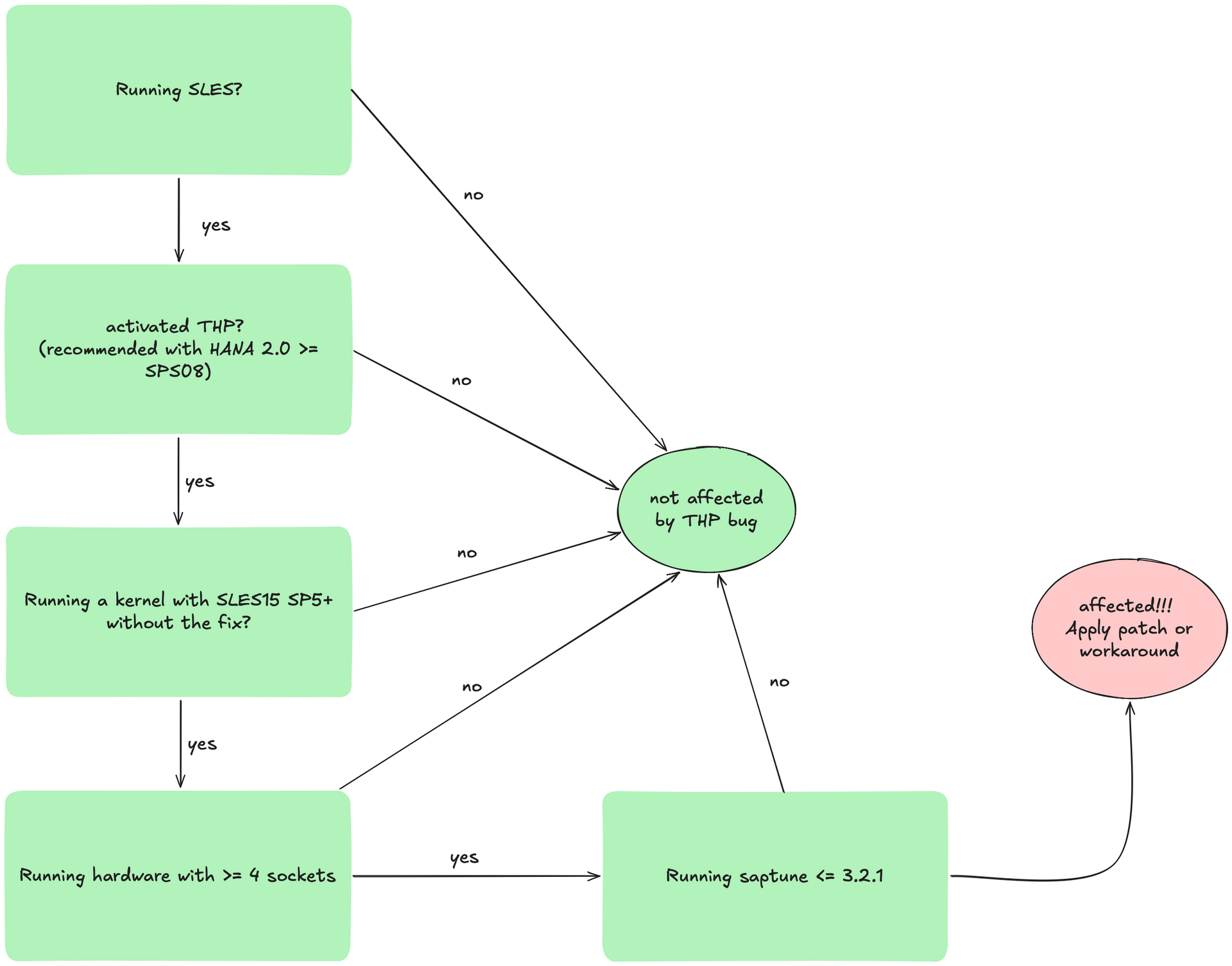
SAP HANA systems may experience high swap usage, hangs, or performance issues when THP (Transparent Huge Pages) is enabled with "madvise". This occurs on multi-NUMA node systems where one or more NUMA nodes are close to full memory usage while others have plenty of free memory, and counters for THP allocations, direct
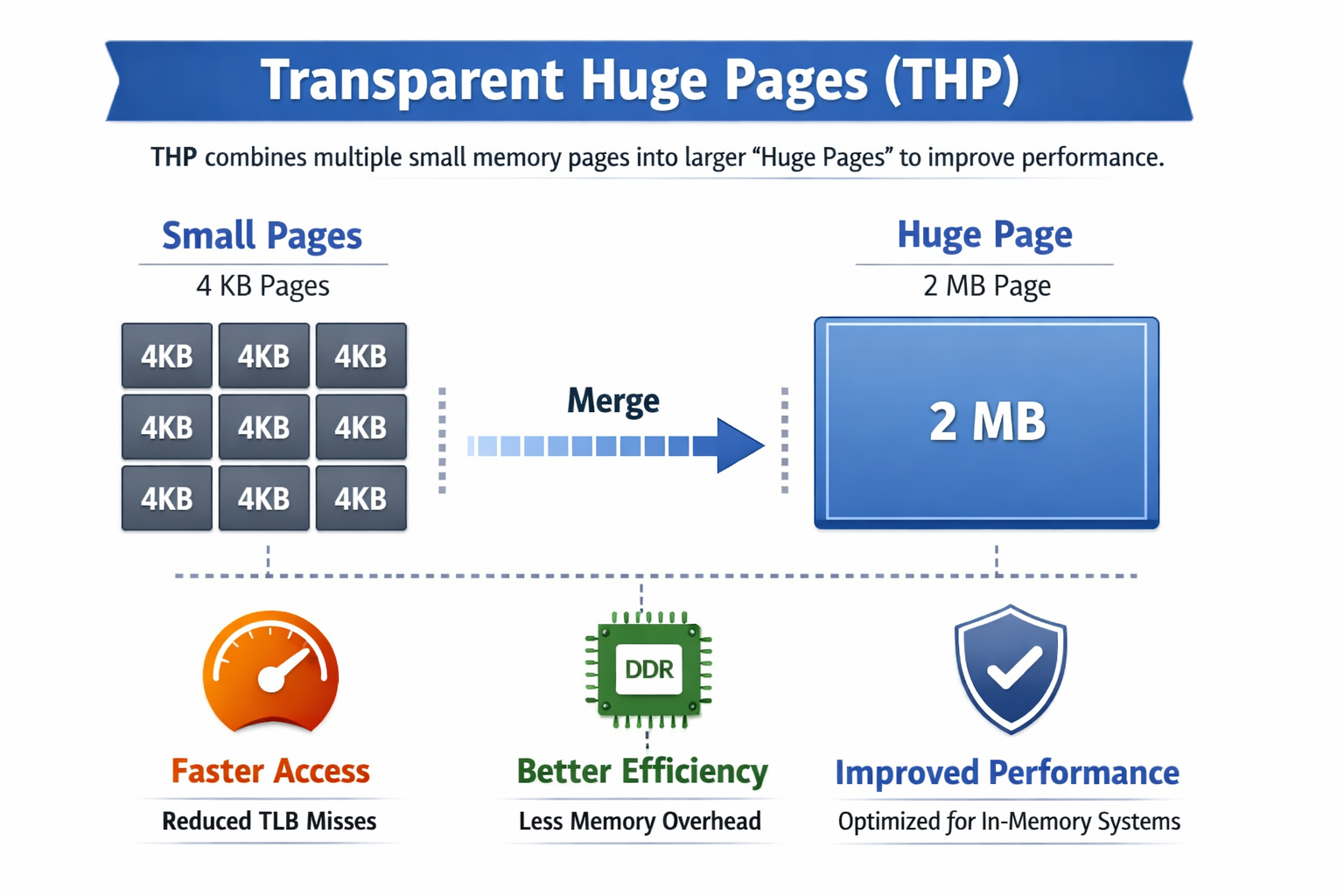
Transparent Huge Pages (THP) with madvise can trigger high swap usage, performance issues, or even system hangs on multi-NUMA systems.

With SPS06 and even stronger in SPS07 the HEX engine was pushed to be used more often. This results on the one hand side in easy scenario to perfect results with lower memory and CPU consumption ending up in faster response times. But in scenarios with FAE (for all entries) together with FDA (fast data access), it can result in bad performance. After some customers upgraded their first systems to SPS07 I recommended to wait for Rev. 73/74. But some started early with Rev. 71/72 and we had to troubleshoot many statement. If you have similar performance issues after the upgrade to SPS07 feel free to contact us! Our current recommendation is to use Rev. 74 with some workarounds. The performance degradation is extreme in systems like EWM and BW with high analytical workload.
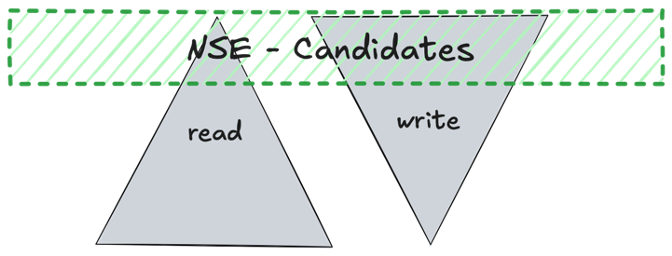
SAP NSE was introduced with HANA 2.0 SPS04 and based on a similar approach like data aging. Data aging based on a application level approach which has a side effect if you are using a lot of Z-coding. You have to use special BADI's to access the correct data. This means you have to adapt your coding if you are using it for Z-tables or using not SAP standard functions for accessing the data in your Z-coding. In this blog we will talk about the technical aspects in more detail.