



HANA News Blog
[HANA] NSE part I – tech. details Q&A
Jens Gleichmann • 4. November 2021
Neuer Titel

SAP NSE was introduced with HANA 2.0 SPS04 and based on a similar approach like data aging. Data aging based on a application level approach which has a side effect if you are using a lot of Z-coding. You have to use special BADI’s to access the correct data. This means you have to adapt your coding if you are using it for Z-tables or using not SAP standard functions for accessing the data in your Z-coding. This was big hurdle to use this feature. But in this blog I don’t want to talk about old stuff, because there are a lot of information already out there in form of blogs (SAP HANA Native Storage Extension: A Native Warm Data Tiering Solution by Robert Waywell [April 16, 2019]; SAP HANA Native Storage Extension(NSE) – Increase HANA Data Capacity With Warm Storage by Jeetendra Kapase [July 22, 2019], NSE: Systematically Measure Memory Savings by Daniel Utvich [September 7, 2021]), documentation, slides and technical guides. This means this blog series will not cover general stuff, but will focus on technical details and limitation which I have already encountered in my projects.
We’ll start with some common questions I get asked when the first workshop takes place:
Does NSE cost additional licenses?
Can I use NSE for BWoH?
Which tables are perfect candidates for NSE?
SAP HANA News by XLC
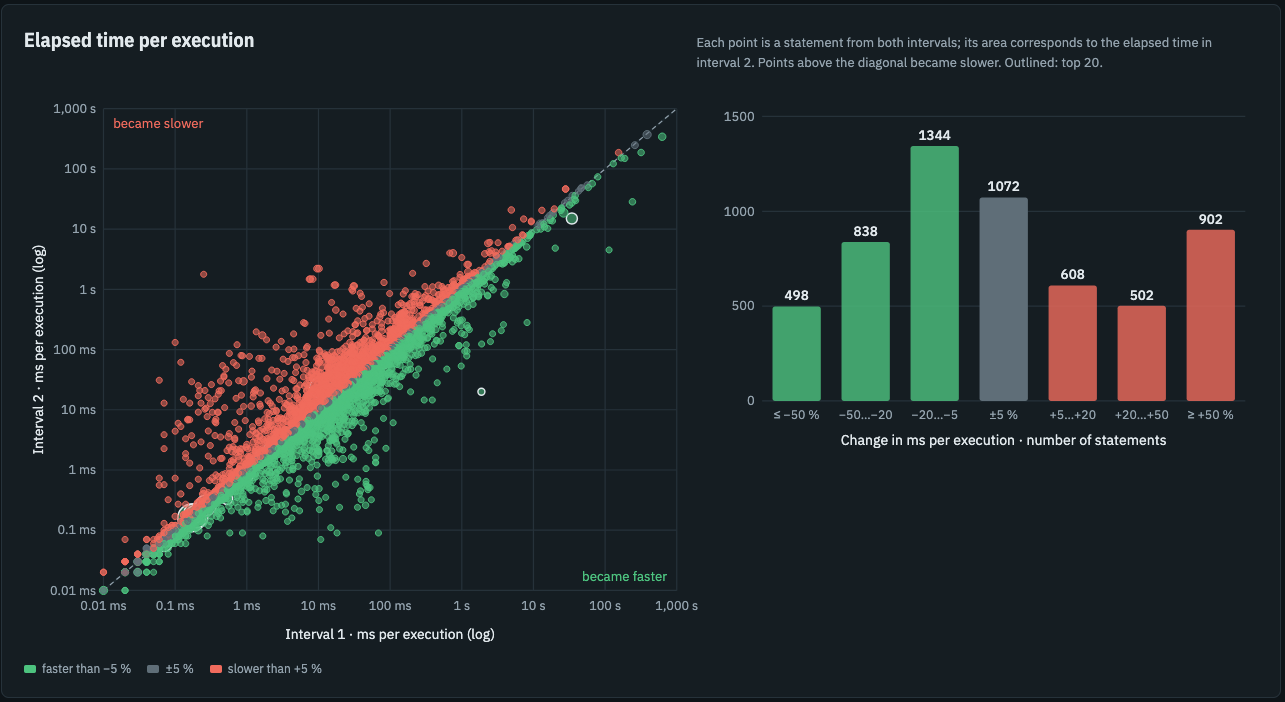
The topic of HANA performance is one of the most discussed topics in nearly every single SAP project we are involved. Performance has always been an important aspect in general; however, particularly when switching databases or application releases - whether moving from anyDB to HANA or, more specifically, from ERP on
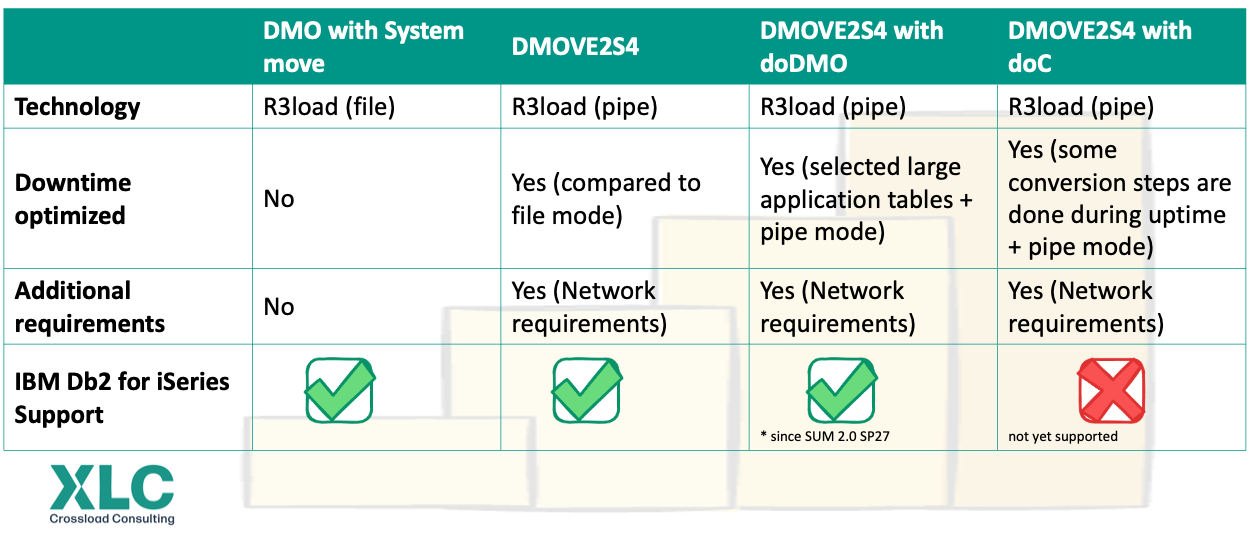
There are multiple DMO scenarios and use cases. We heard of many confusions and mixed up statements which we want to order:
SUM can not only update software components, but can also execute a database migration (for ABAP based systems)
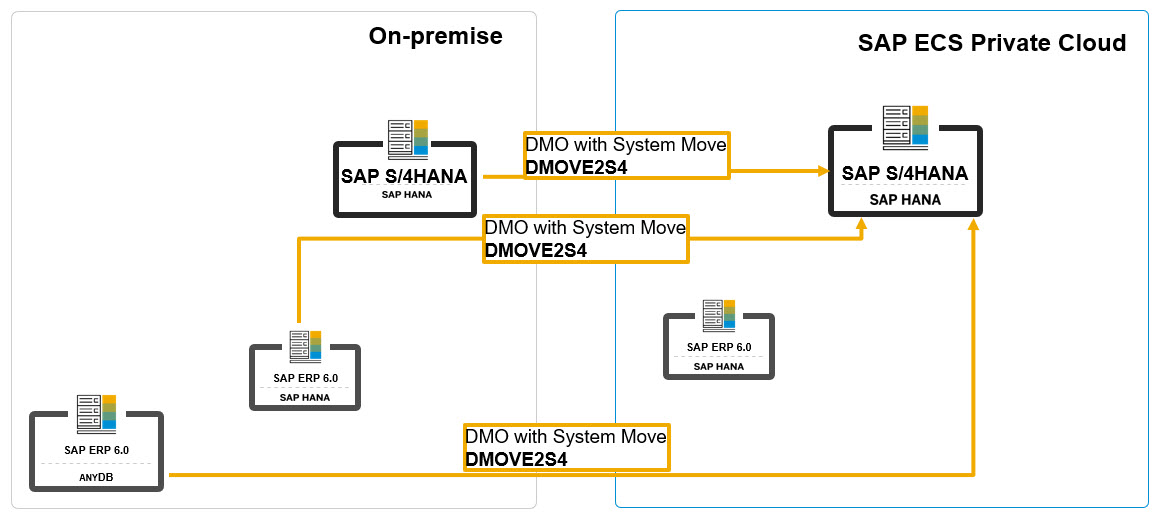
DMO used to be heterogeneous (change of DB). Now you can use DMO with system move (also on-prem to target on-prem) to migrate and convert ECC on HANA to S/4 or just update/upgrade S/4 and move it to another location like other DC or other instance in one step.
The DMOVE2S4 is just to move and convert to the cloud in one step. This includes also anyDB source systems and downtime-optimization techniques (doDMO and doC).

SAP HANA Monitoring Views Cheat Sheet

Please notice that when you want to run HANA 2.0 SPS07, you need defined OS levels. As you can see RHEL7 and SLES12 are not certified for SPS07. The SPS07 release of HANA is the basis for the S/4HANA release 2023 which is my recommended go-to release for the next years. Keep in mind that you have to go to SPS07 when you are running SPS06 because it will run out of maintenance end of 2023.
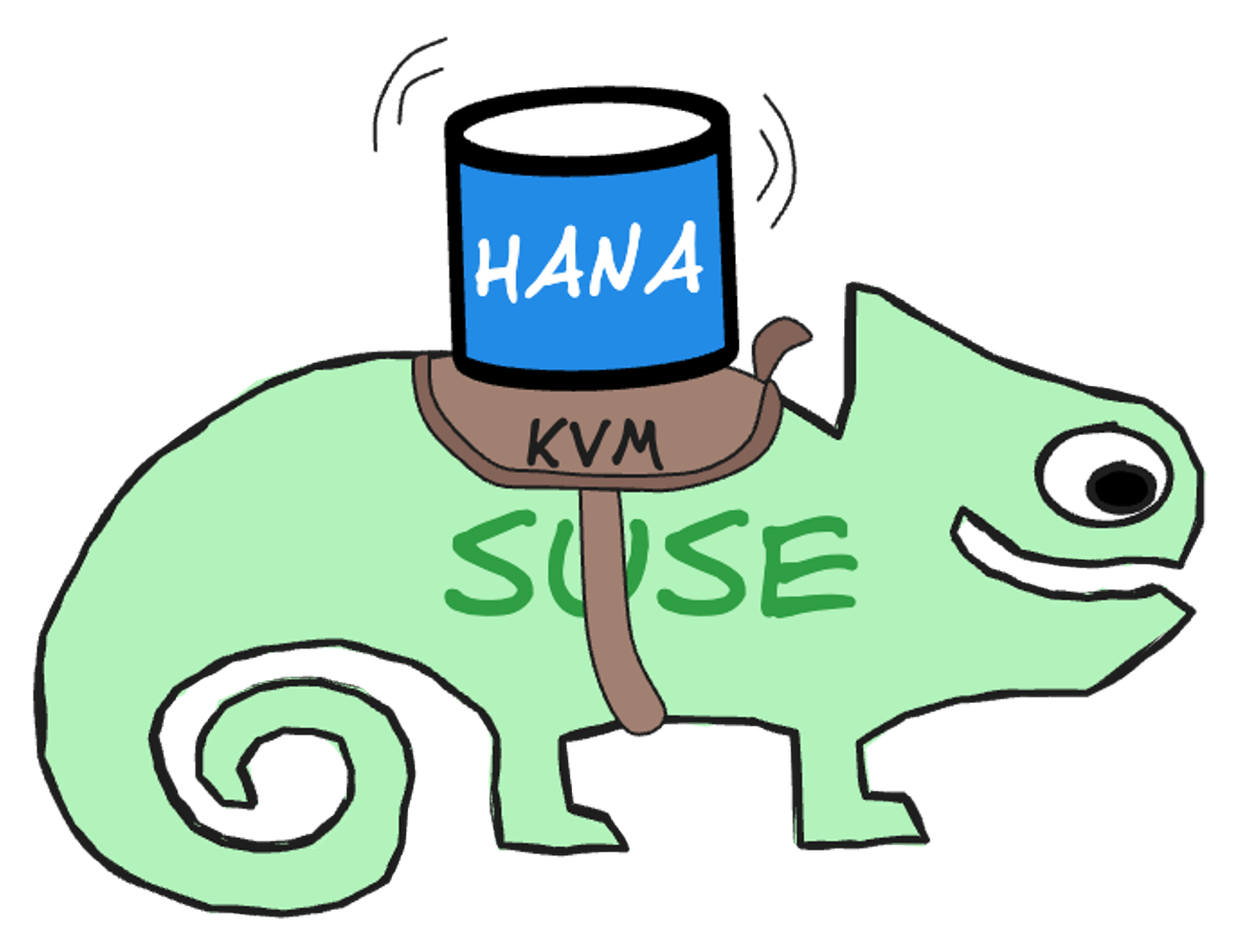
KVM as alternative with low TCO
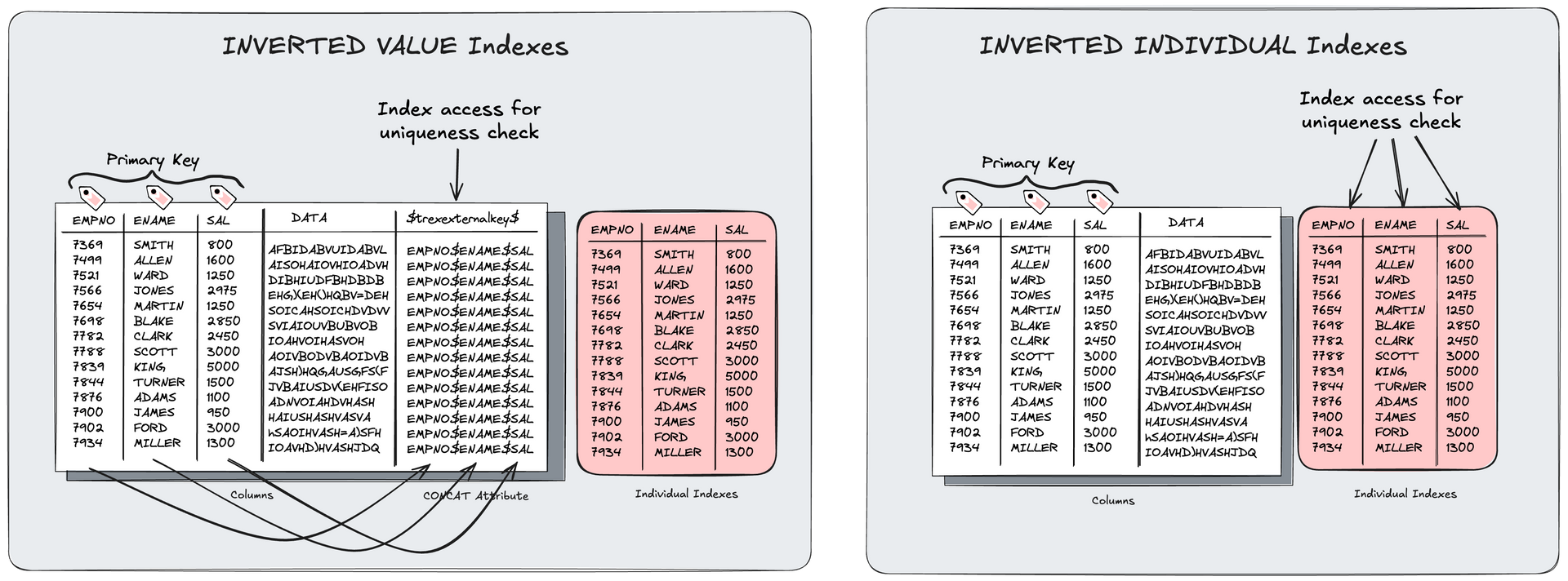
An inverted individual index is a special type of SAP HANA index which can only cover unique indexes. This includes all primary key structures. Unlike traditional column store indexes on more than one column (inverted value, inverted hash) an inverted individual index (Inv Idv Idx) doesn't need a dedicated concat.
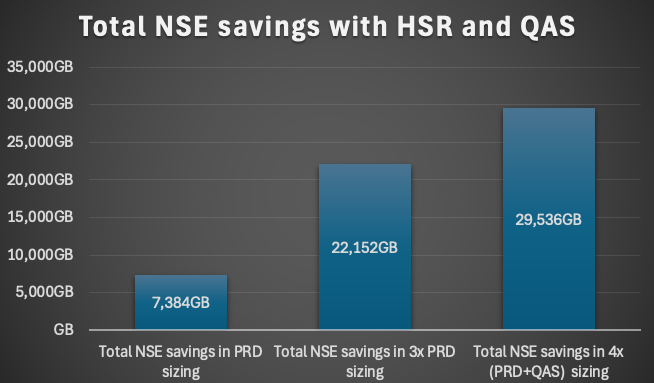
This blog presents the results of a customer case which can be used as a reference for other implementations
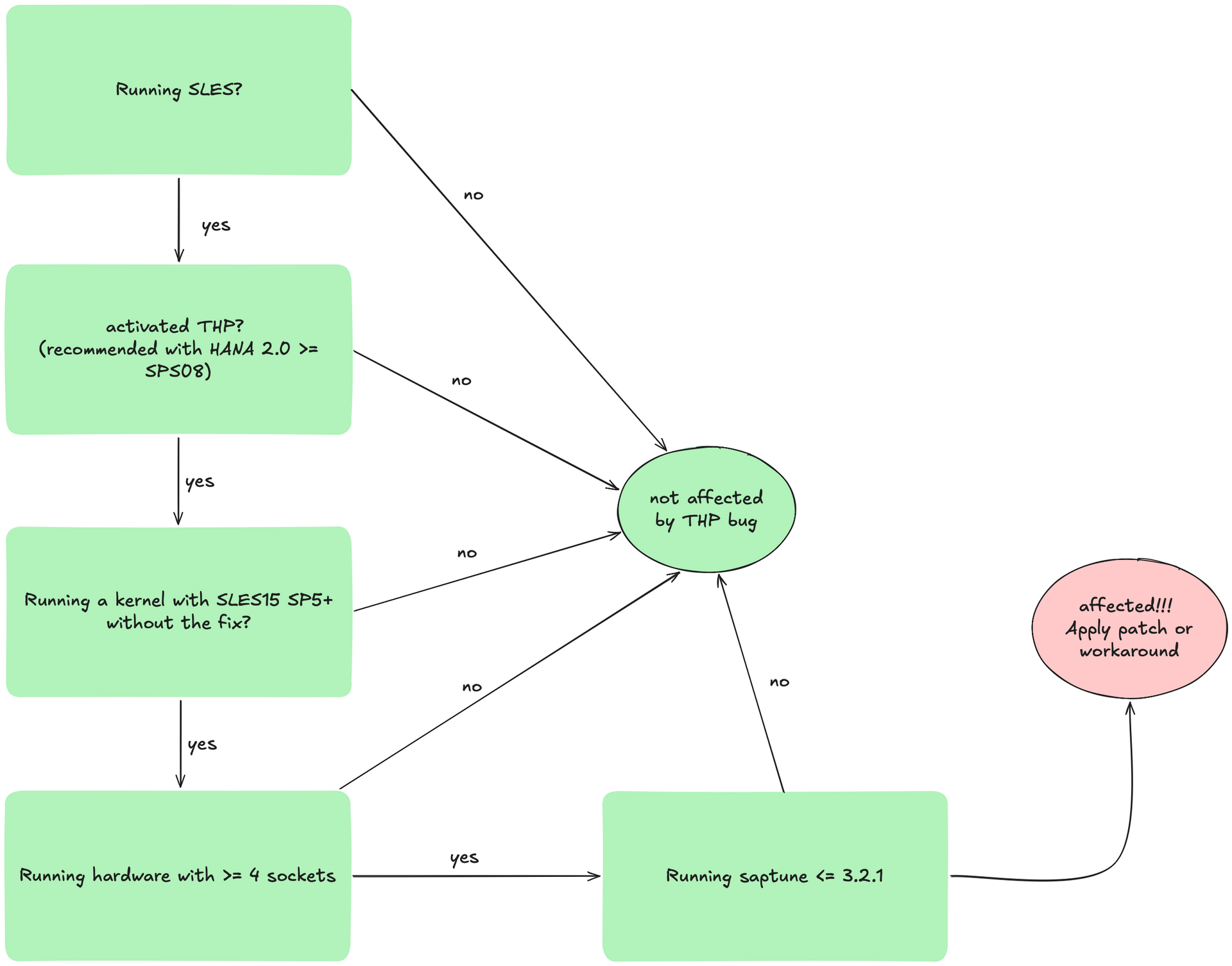
SAP HANA systems may experience high swap usage, hangs, or performance issues when THP (Transparent Huge Pages) is enabled with "madvise". This occurs on multi-NUMA node systems where one or more NUMA nodes are close to full memory usage while others have plenty of free memory, and counters for THP allocations, direct
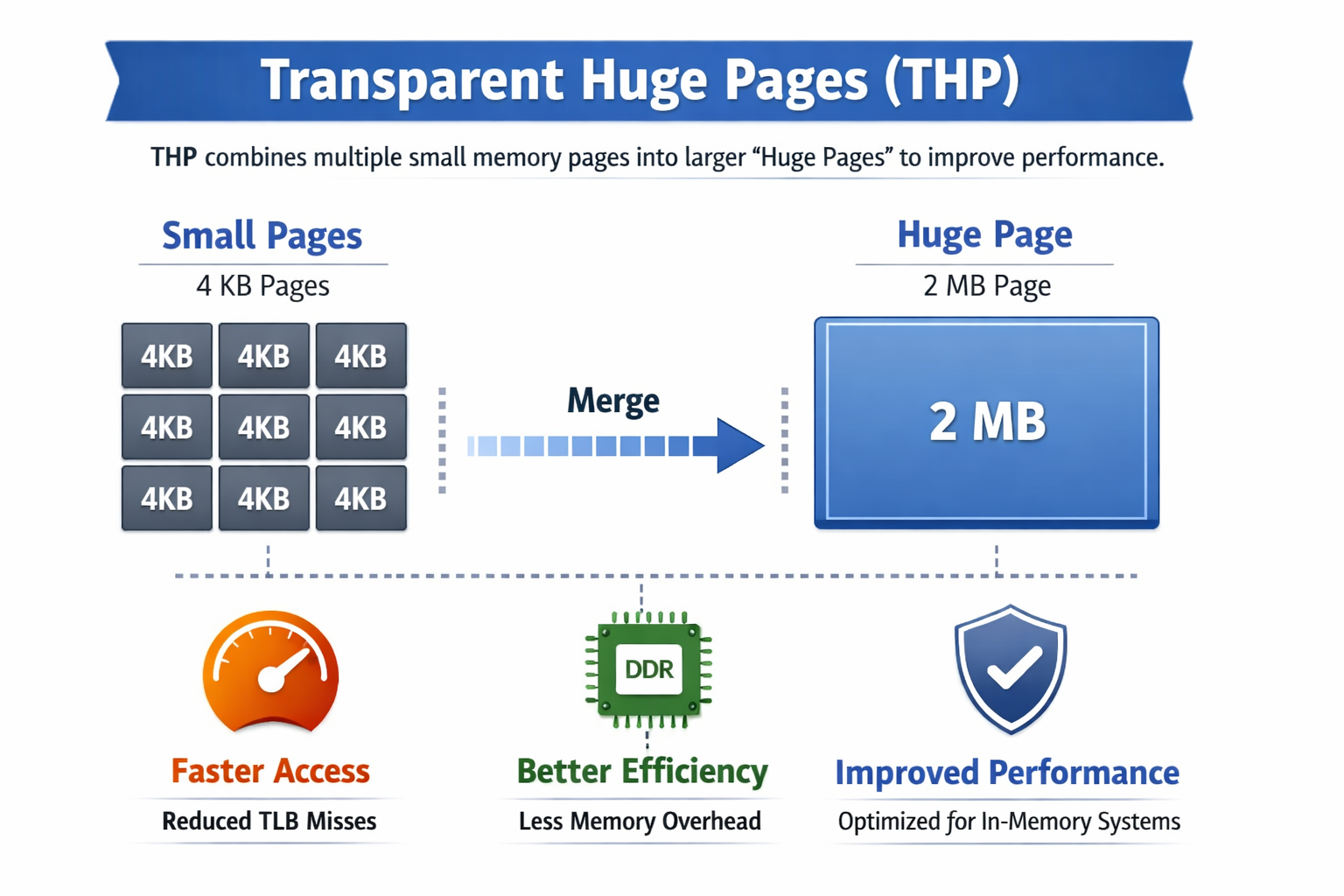
Transparent Huge Pages (THP) with madvise can trigger high swap usage, performance issues, or even system hangs on multi-NUMA systems.