
HANA News Blog

End of support in 2020 for HANA 2.0 SPS03

Jens Gleichmann • 6. Juni 2020

Bitte beachten Sie das Supportende von SPS03 im Juli 2020
SAP HANA 2.0


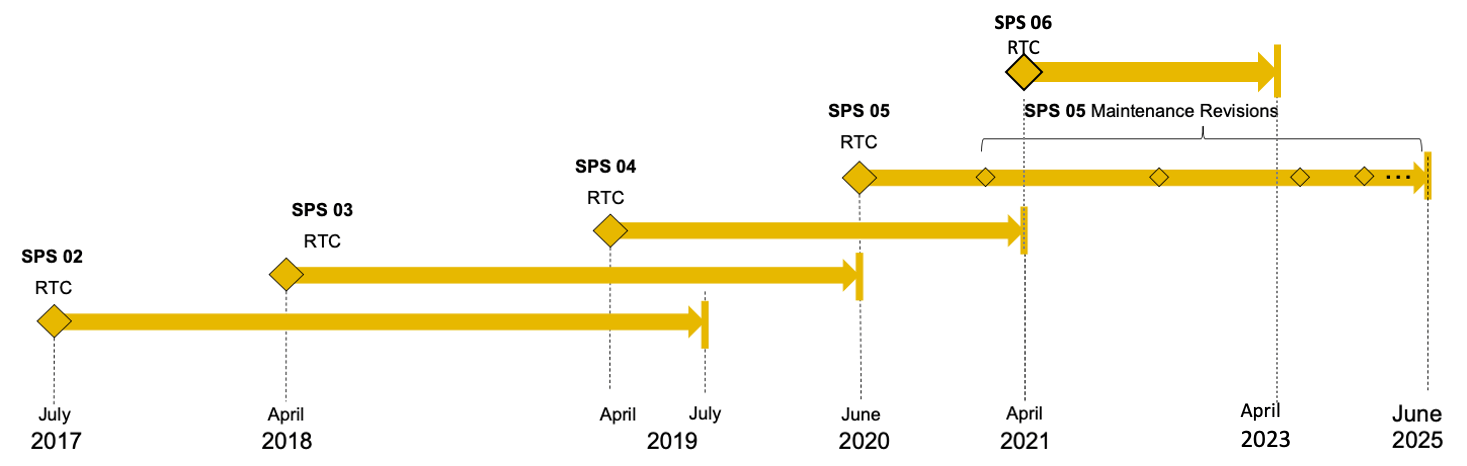
Im Juli 2020 endet der Support für HANA 2 SPS03 . Dies bedeutet, dass nach diesem Zeitpunkt keine neuen Maintenance Revisions mehr für SPS03 (aktuell letzte Revision 37.06) von SAP freigegeben werden. Daher sollten alle Kunden sofort auf die neueste HANA 2.0 SPS04 Revision upgraden.
SPS05 wird zwar ebenso in diesem Zeitraum freigegeben, sollte aber erst nach etwas
"Reifezeit" konsumiert werden. Dieses Release wird anders als bisherige nicht 2 Jahre Support, sondern 5 Jahre "long Term" Support erhalten. SPS06 wird dann wieder voraussichtlich 2 Jahre Support erhalten.
Jeder Upgrade birgt Gefahren hinsichtlich Stabilität und Performance, daher sollte dies mit der nötigen Sorgfalt getestet werden. Wir
unterstützen Sie gerne mit unserer Erfahrung bei Upgrades oder anstehenden Herausforderungen hinsichtlich Performance oder Stabilität.


Support for
HANA 2 SPS03 will end in July 2020 . This means that after this point in time, no new maintenance revisions for SPS03 (currently last revision 37.06) will be released by SAP. Therefore, all customers should immediately upgrade to the latest HANA 2.0 SPS04 revision.
SPS05 will also be released during this period, but should only be consumed after a bit of
"maturing time" . Unlike previous releases, this release will not receive 2 years of support, but 5 years of "long term" support . SPS06 will then probably receive 2 years of support again.
Every upgrade is dangerous in terms of stability and performance, so this should be tested with the necessary care. We would be happy to support you with our experience with upgrades or upcoming challenges in terms of performance or stability.

 
Details:


2378962 - SAP HANA 2.0 Revision and Maintenance Strategy


SAP HANA 2.0 Revision Strategy


End of Support HANA 2.0 SPS06


SAP HANA News by XLC

von Jens Gleichmann 14. April 2026
KVM as alternative with low TCO
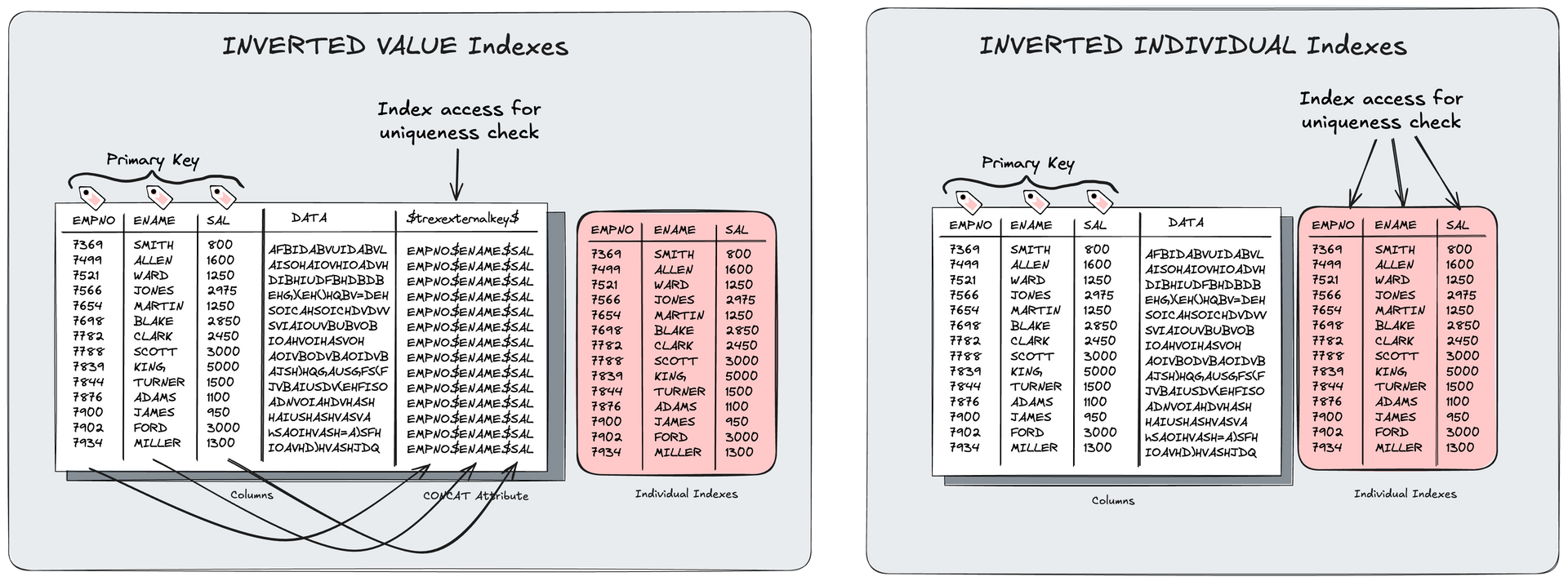
inverted individual index is a special type of SAP HANA index wich can save memory
von Jens Gleichmann 6. April 2026
An inverted individual index is a special type of SAP HANA index which can only cover unique indexes. This includes all primary key structures. Unlike traditional column store indexes on more than one column (inverted value, inverted hash) an inverted individual index (Inv Idv Idx) doesn't need a dedicated concat.
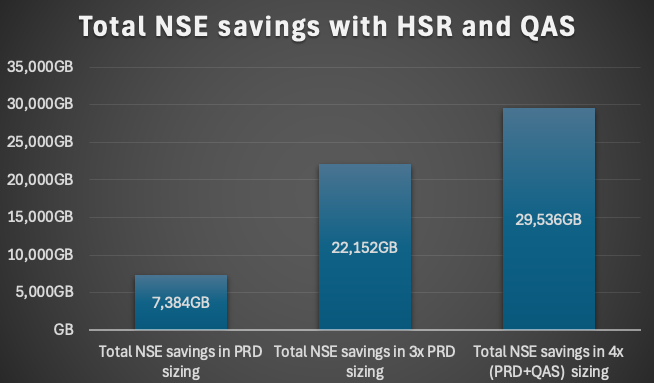
Total NSE savings
von Jens Gleichmann 5. April 2026
This blog presents the results of a customer case which can be used as a reference for other implementations
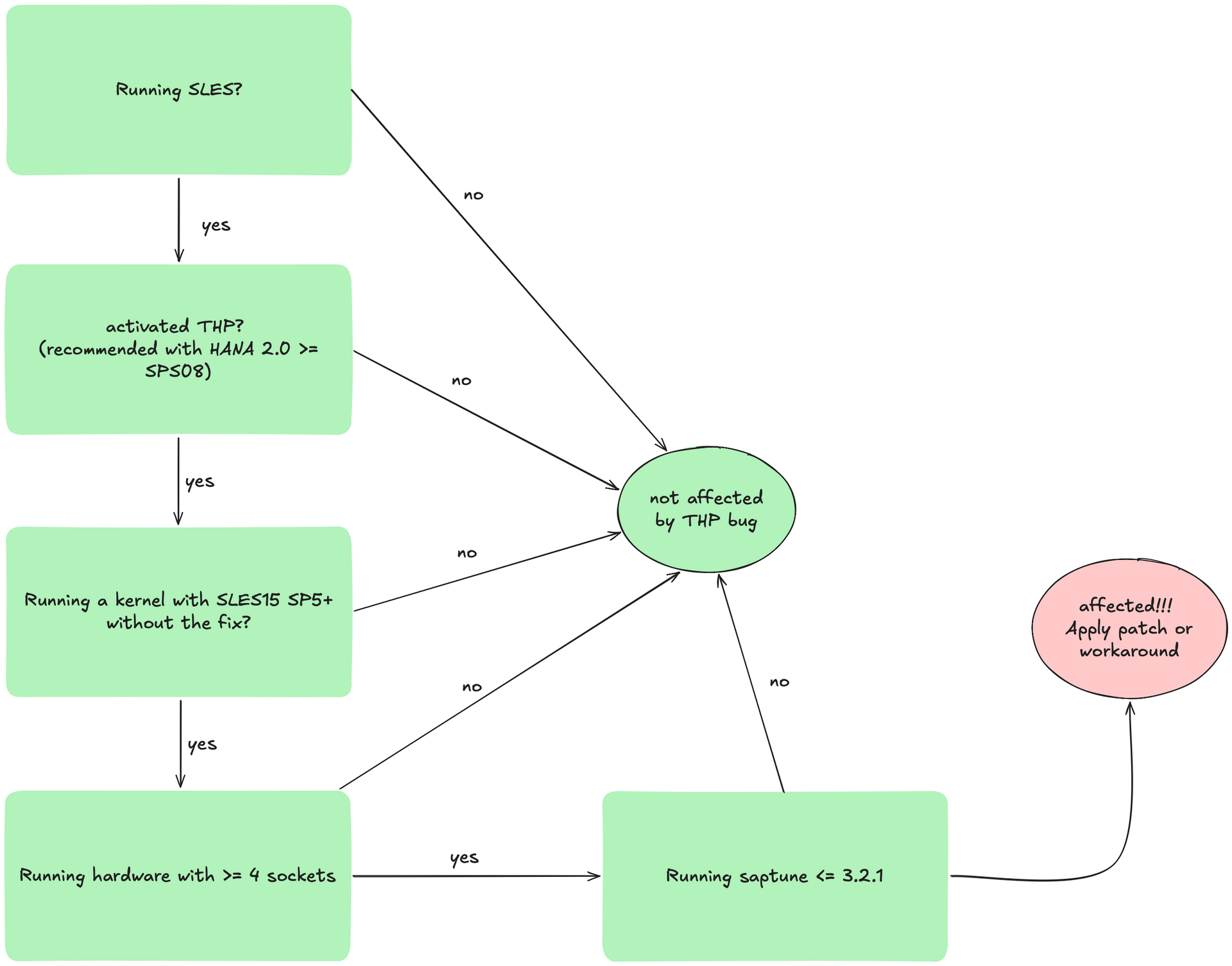
SAP HANA performance issues with THP on multi-NUMA node systems
von Jens Gleichmann 30. März 2026
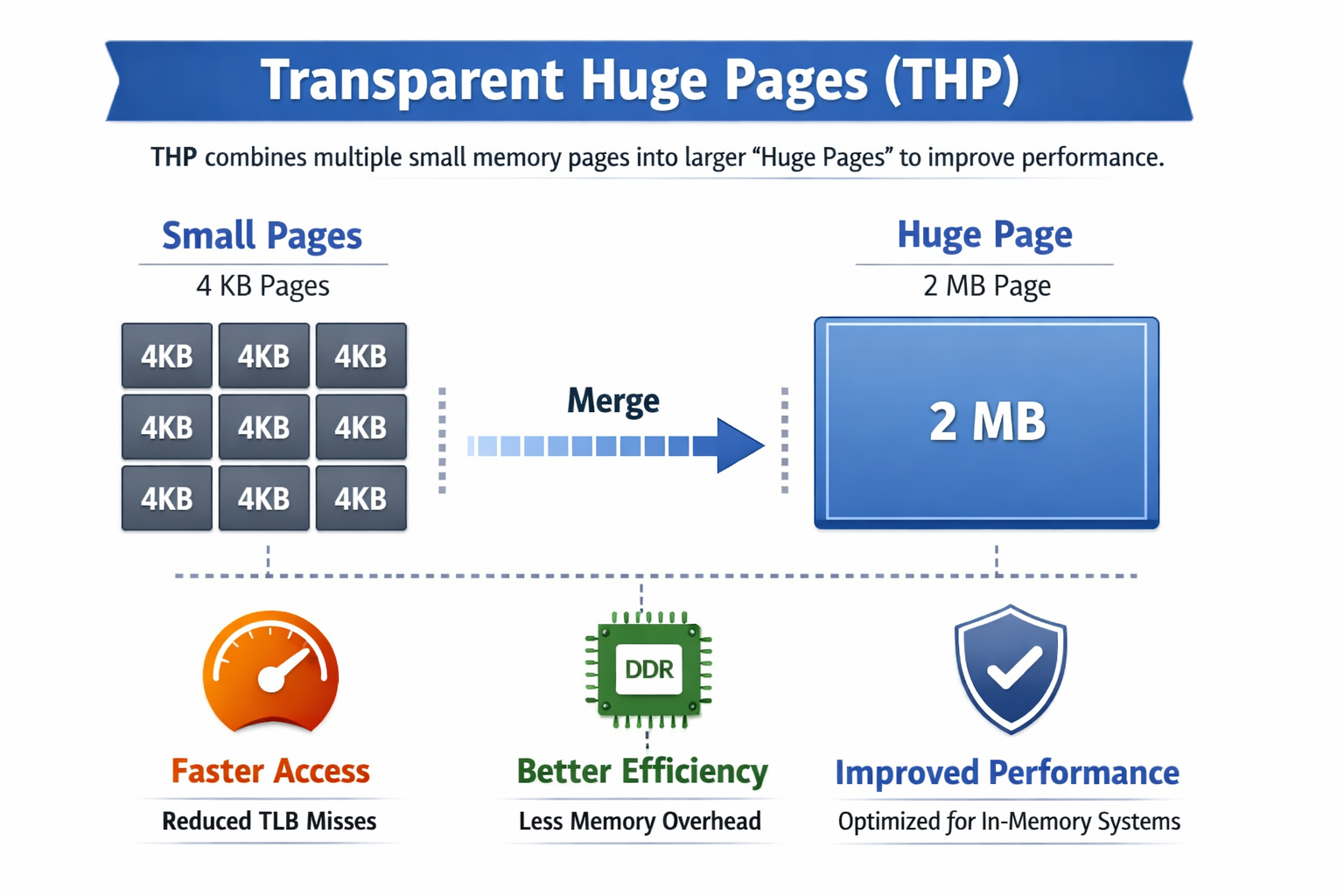
SAP HANA systems may experience high swap usage, hangs, or performance issues when THP (Transparent Huge Pages) is enabled with "madvise". This occurs on multi-NUMA node systems where one or more NUMA nodes are close to full memory usage while others have plenty of free memory, and counters for THP allocations, direct
Transparent Huge Pages (THP) with madvise can trigger high swap usage and performance issues
von Matthias Sander 26. Januar 2026
Transparent Huge Pages (THP) with madvise can trigger high swap usage, performance issues, or even system hangs on multi-NUMA systems.
HANA performance degradation after upgrade to SPS07+SPS08
von Jens Gleichmann 9. Januar 2026
With SPS06 and even stronger in SPS07 the HEX engine was pushed to be used more often. This results on the one hand side in easy scenario to perfect results with lower memory and CPU consumption ending up in faster response times. But in scenarios with FAE (for all entries) together with FDA (fast data access), it can result in bad performance. After some customers upgraded their first systems to SPS07 I recommended to wait for Rev. 73/74. But some started early with Rev. 71/72 and we had to troubleshoot many statement. If you have similar performance issues after the upgrade to SPS07 feel free to contact us! Our current recommendation is to use Rev. 74 with some workarounds. The performance degradation is extreme in systems like EWM and BW with high analytical workload.
SAP HANA NSE - a technical deepdive with Q&A
von Jens Gleichmann 24. November 2025
SAP NSE was introduced with HANA 2.0 SPS04 and based on a similar approach like data aging. Data aging based on a application level approach which has a side effect if you are using a lot of Z-coding. You have to use special BADI's to access the correct data. This means you have to adapt your coding if you are using it for Z-tables or using not SAP standard functions for accessing the data in your Z-coding. In this blog we will talk about the technical aspects in more detail.
Partitioning process
von Jens Gleichmann 24. November 2025
SAP HANA scaling and tuning with proper partitioning designs
R+R: intersection and missing services
von Jens Gleichmann 25. September 2025
In transformation projects like SAP RISE / SAP Cloud ERP, the Roles & Responsibilities (R+R) list often serves as the backbone for collaboration between customer, partner, and SAP. Yet too often, this list is treated as a static document rather than a living framework. Sometimes nobody knows exactly what was defined by
Why Databases Need Optimizer Statistics – With a Focus on SAP HANA
von Jens Gleichmann 28. Mai 2025
In the world of modern database management systems, query performance is not just a matter of hardware—it’s about smart execution plans. At the core of generating these plans lies a critical component: optimizer statistics. This article explores why databases need optimizer statistics, with particular emphasis on SAP HANA, while drawing parallels with Oracle, Microsoft SQL Server (MSSQL), and IBM DB2.
more